
By Christophe Marcant, Oakland Firesafe Council
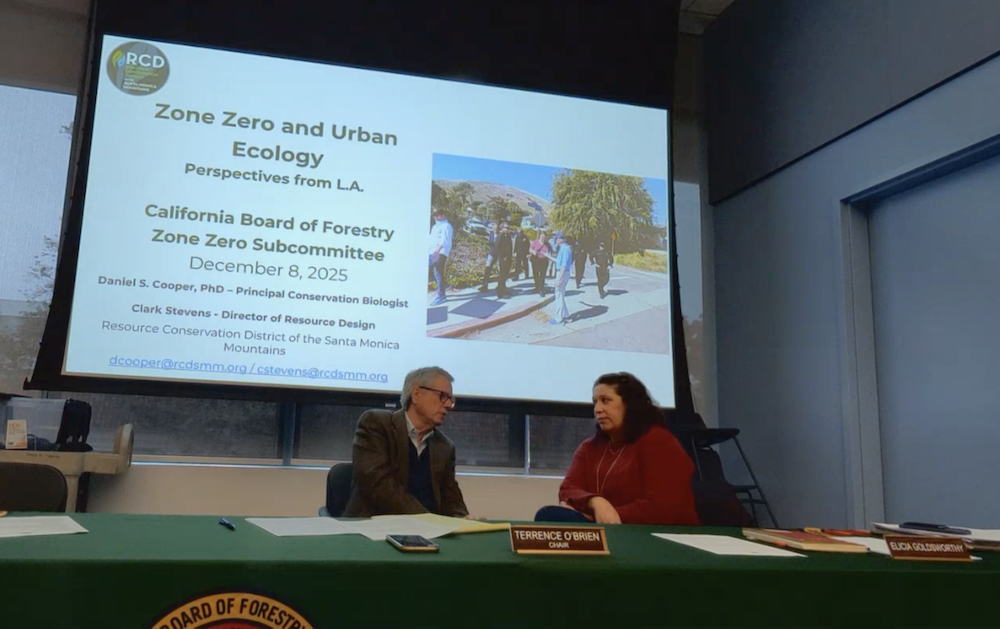
In October and early November, the California Zone 0 Advisory Committee appeared to be doing exactly what the Legislature and Governor had asked it to do: finish the rulemaking process, ground the regulations in science, and deliver enforceable, statewide standards by the end of 2025.
That did not happen.
The statutory and executive deadline of December 31, 2025 has now passed. Zone 0 regulations were not adopted. The committee’s work remains unfinished, and substantive progress has been paused until at least March 2026.
This post is not about relitigating the science. That debate is over. Instead, this is an update on where the process stands, and why the delay itself now matters.
From Law to Regulation… and a Missed Deadline
Between 2020 and 2025, California enacted a clear sequence of laws to establish and implement Zone 0:
- AB 3074 (2020) created the mandate for an ember-resistant zone within five feet of structures.
- SB 504 (2024) strengthened the Board of Forestry’s authority to integrate Zone 0 into enforceable standards.
- Executive Order N-18-25 (February 2025) directed the Board of Forestry to complete and adopt final Zone 0 regulations by December 31, 2025.
- AB 1455 (2025) reinforced the goal of a single, uniform safety standard across high-risk wildfire areas.
Together, these measures were intended to move Zone 0 from concept to enforceable reality.
By fall 2025, the committee had near-final draft language on the table. Commissioners repeatedly emphasized enforceability, firefighter safety, and alignment with science. The expectation, shared publicly, was that adoption would occur before year’s end.
Instead, the deadline passed without adoption.
What Changed
The record from October and November shows a clear pattern:
- Strong, consistent support for strict Zone 0 standards from firefighters, wildfire scientists, FireSafe and Firewise leaders, IBHS, and the California Insurance Commissioner.
- Increasingly vocal objections, largely from Southern California homeowners and landscaping interests, focused not on statutory authority or fire science but on preserving vegetation, trees, and landscaping close to structures, often asserting, without evidence, that “well-maintained plants protect homes.”
- Escalating tension in public comment, including aggressive and sometimes hostile testimony, particularly in virtual participation.
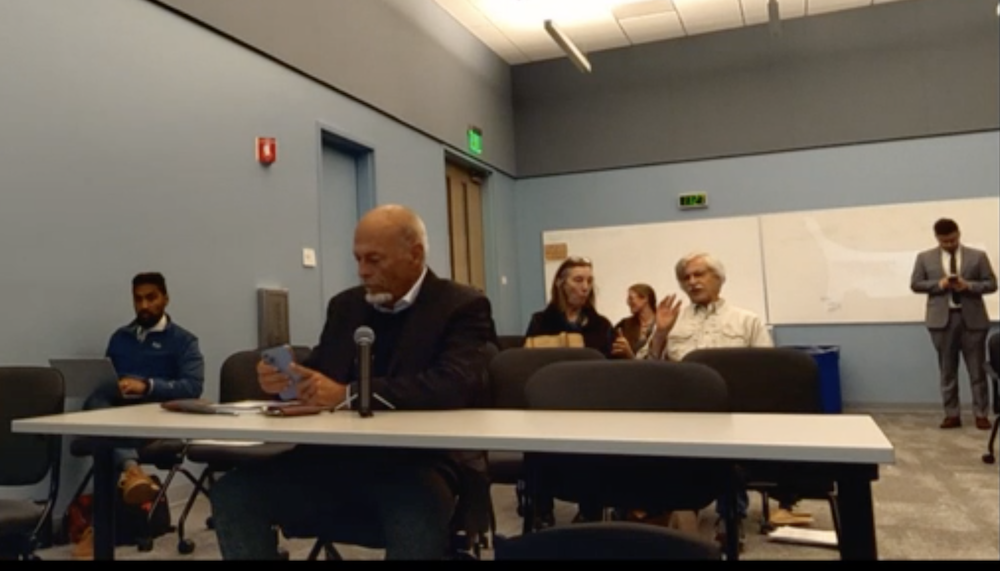
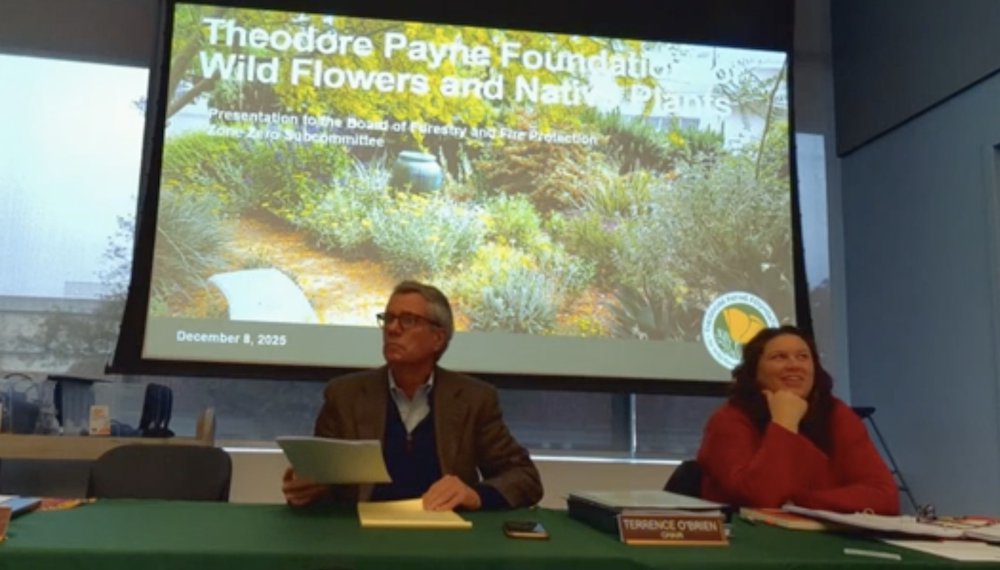
By December, the committee cited concerns about affordability and feasibility and announced a significant slowdown. Work would pause. The December 31 deadline would be missed. The process would resume in 2026.
Where We Are Now
As of January 2026:
- The statutory and executive deadline has been missed.
- Zone 0 regulations remain unfinished and unadopted.
- Committee work is paused until at least March.
- Fire departments still lack enforceable Zone 0 authority.
- California is entering another fire season without the protections the Legislature intended.
- Insurance availability and affordability continue to deteriorate.
- The science remains settled, and the technical questions have been answered.
At this stage, the problem is no longer regulatory drafting. It is one of process, oversight, and accountability.
Why This Matters
Zone 0 was designed to address the single most vulnerable point in structure ignition: the immediate perimeter of the home. The evidence supporting it is extensive and uncontroversial among fire professionals.
Delay has real consequences. Each fire season without enforceable Zone 0 standards leaves millions of homes exposed and weakens California’s ability to stabilize its insurance market.
The laws were passed. The executive order was issued. The work was close to completion. Yet the deadline came and went without action.
Looking Ahead
The Zone 0 Advisory Committee is expected to resume work in March 2026. Whether the regulations that emerge will be timely, enforceable, and faithful to the legislative mandate remains an open question.
What is no longer open is the need. California has already waited five years to move Zone 0 from statute to practice. The events of late 2025 make clear that finishing this work will require more than science alone: it will require sustained oversight, leadership, and political courage to enforce mandates that are already law.
We will continue to monitor the process closely and keep our communities informed as it resumes.
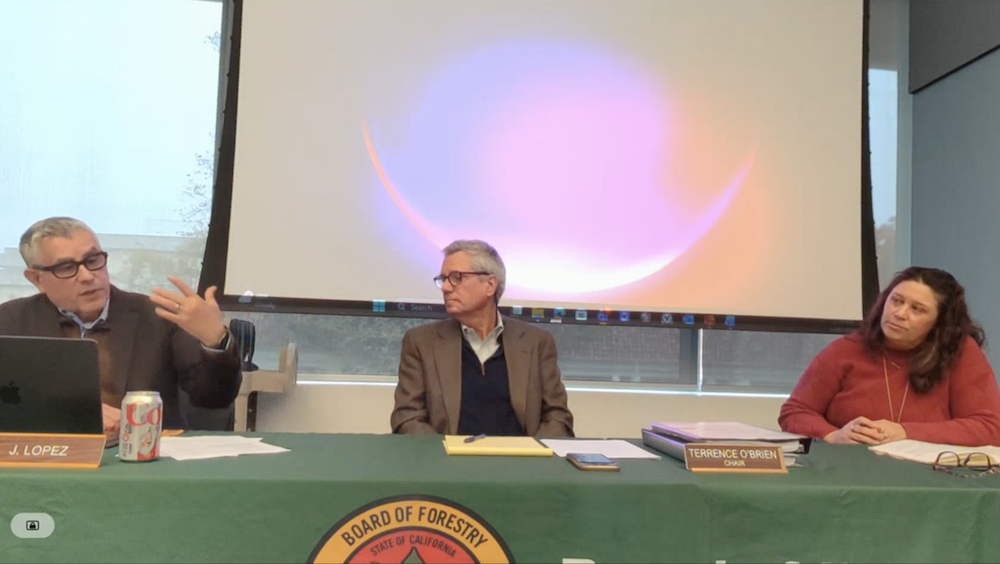
Visit the Board of Forestry website to see available 2025 Zone 0 Committee Public Workshops and Materials (including meeting recordings).